
Waterbury Connecticut 0670x
Waterbury CT History Travel Business Gifts
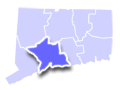 The original settlement of Waterbury was in 1674 as a Town Plot section. The French and Indian War caused it to be vacated but the land was returned in 1677, this time west of the first settlement. Both sites are now marked. The Algonquian name for the area was “Matetacoke” meaning “place without trees.” Thus the settlement was named “Mattatock” in 1673. The name changed to Waterbury on May 15, 1686, when the settlement was admitted as the 28th town in the Connecticut colony. It then included all parts or parts of the later towns of Watertown, Plymouth, Wolcott, Prospect, Naugatuck, Thomaston, and Middlebury.
The name Waterbury was chosen because of all the streams flowing into the Naugatuck River. Growth was slow during Waterbury’s first century. The lack of arable land discouraged new settlers and the residents suffered through the great flood of 1691 and the great sickness of 1712. After a century, Waterbury’s population numbered just 5,000. Waterbury hit its stride as an industrial power in the early 1800s when it began to make brass, using a technology taken from the British. Not content with exploiting the know-how, these Yankee entrepreneurs lured talented craftsmen from across the sea to set up shop in Waterbury.
The Waterbury landscape was dominated by factory buildings and smokestacks from the mid-1800s to the 1970sAs the “Brass Capital of the World,” the city gained a reputation for the quality and durability of its goods. Waterbury was incorporated as a city in 1853. Waterbury supplied brass and copper used in Boulder Dam in Colorado. Waterbury brass was used for many other things in the United States such as minting disks for nickels, but the brass also went into South American coins. While the brass business boomed, thousands of immigrants poured into the city seeking factory jobs, including the Italians, Irish, French-Canadians, Lithuanians, Jewish, and Slavs.
Another famous Waterbury product of the mid-19th century was Robert H. Ingersoll’s one-dollar pocket watch, five million of which were sold. After this, the clock industry became as important as Waterbury’s famed brass industry. Evidence of these two important industries can still be seen in Waterbury, as numerous clock towers and old brass factories have become landmarks of the city.
To share any Waterbury, CT information with us, please contact us.
Waterbury Connecticut Town Guide
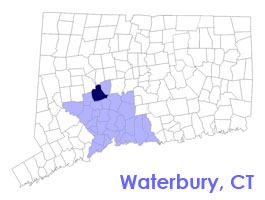
Incorporated: 1853
County: Litchfield
Waterbury, CT Population:
2010: 110,366
GPS Coordinates:
Latitude: 41.3330
Longitude: -73.0213
Waterbury, CT Local Information
Waterbury Police Dispatch: 203-574-6922
Waterbury Fire Department: 203-597-3425
Ambulance Service: 911
Town Hall Telephone: 203-574-6806
SHOP WATERBURY CT GIFTS
| Photo | Title | Price | Buy |
|---|---|---|---|

|
Waterbury Trolleys (CT) (Images of Rail) | $14.76 | Sale Item |

|
Waterbury 1890-1930 (CT) (Postcard History Series) | $19.03 | Sale Item |

|
Connecticut Baseball:: The Best of the Nutmeg State (Sports) | $18.73 | Sale Item |

|
Historic Panoramic Map Reprint: Aero View of Waterbury, Connecticut 1917 36 x 24 | Sale Item | |

|
The History of Waterbury, Connecticut; | Sale Item | |

|
The History of Waterbury, Connecticut: The Original Township Embracing Present Watertown and Plymouth, and Parts of Oxford, Wolcott, Middlebury, Prospect and Naugatuck | $32.95 | Sale Item |

|
Waterbury Connecticut 1674 American Hometown USA Home State Premium T-Shirt | $25.99 | Sale Item |

|
Retro Connecticut T Shirt Vintage Sports Tee Design | $16.99 | Sale Item |

|
Waterbury Vintage Script Apparel T-Shirt | $19.99 | Sale Item |

|
Connecticut State Wall Map - 20.75" x 18.5" Paper | $33.99 | Sale Item |

|
Someone in Connecticut Loves Me Shirt Long Distance Gift | $16.49 | Sale Item |

|
Connecticut Colorful State Magnet by Classic Magnets, 3.6" x 2.7", Collectible Souvenirs Made in The USA | $5.99 | Sale Item |

|
50 State Personalized Custom Novelty Tag Vehicle Auto Car Bike Bicycle Motorcycle Moped Key Chain License Plate (Connecticut 2015) | $16.95 | Sale Item |

|
Celtic Connecticut Connections: Irish Traditional Dance 1796-1921: Perspectives in History, Culture, Immigration, Religion & Academia with a Foreward by Attorney Maureen Horgan, J.D., Ph.D. | $79.95 | Sale Item |
|
Connecticut Artwood State Magnet Collectible Souvenir by Classic Magnets | $8.49 | Sale Item |

|
Connecticut State Scenery Red New Shot Glass | Sale Item | |

|
Straight Outta Connecticut Funny Gift for Connecticuter T-Shirt | $16.95 | Sale Item |
| Photo | Title | Price | Buy |
|---|---|---|---|

|
Connecticut Six-Piece State Magnet Set by Classic Magnets, Includes 6 Unique Designs, Collectible Souvenirs Made in The USA | $19.99 ($3.33 / Count) | Sale Item |

|
Connecticut Kraft Label Scented Soy Candle, Citrus, Lavender, Woody, 10 Oz. Glass Jar Candle, Made in The USA, Decorative Candles, Going Away Gifts for Friends, State Candles | $24.95 | Sale Item |

|
Amerileather Waxy Brown Leather Two Piece Set Traveler | $254.69 | Sale Item |

|
Handmade Leather Carry On Bag - Airplane Underseat Travel Duffel Bags By Rustic Town (Mulberry) Medium | $113.58 | Sale Item |

|
FIRU HANDMADE 24 inch Vintage Style Genuine Leather Crossbody Duffel Bag Gym Sports Overnight Weekender Travel Luggage Duffle Bags for Men and Women | $69.99 | Sale Item |
|
DELSEY Paris Chatelet Hard+ Hardside Luggage with Spinner Wheels, Champagne White, Checked-Large 28 Inch | Sale Item | |
|
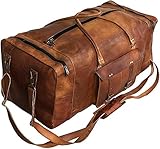
Large Leather 32 Inch Luggage Handmade Duffel Bag Carryall Weekender Travel Overnight Gym Sports Carry On For Men And Women (32 inch) | $98.99 | Sale Item |

|
DELSEY Paris Chatelet Air Hardside Luggage, Spinner Wheels, Chocolate Brown, Carry-on 21 Inch | $329.99 | Sale Item |

|
Leather Travel Duffel Bag | Gym Sports Bag Airplane Luggage Carry-On Bag | Gift for Father's Day By Aaron Leather Goods | $89.99 | Sale Item |

|
Fossil Men's Defender Leather Travel Duffle Luggage Bag, Cognac , (Model: MBG9344222) | Sale Item | |

|
McKlein Limited Edition Laptop Briefcase, Black Leather (96315C) | $148.60 | Sale Item |

|
Orvis Outdoor Quilted Snap Men's Pullover Sweatshirt - Mockneck Style Sweatshirt For Men with Four-Snap Quarter Placket, Navy - Large | Sale Item | |

|
vineyard vines Men's Saltwater Quarter-Zip Pullover Sweater, Grey Heather, XL | Sale Item | |

|
Columbia Women's Sweater Weather Half Zip, Chalk Heather, Medium | Sale Item |
Connecticut Town & City Guides by Region
New Haven County CT Living
inns | hotels | resorts | rentals | attractions | dining | real estate
Vacation Rentals | Pet Friendly
Attractions | Maps | Products
Free World Mall
Country Weddings | New England Recipes
CT Inns | Red Sox Gifts | Travel Destinations